Rechercher dans ce blog

Saturday, October 31, 2020

AMD's Frank Azor confirms Radeon RX 6000's ray tracing and super sampling info will be available in the run up to launch - Notebookcheck.net

proc.indah.link

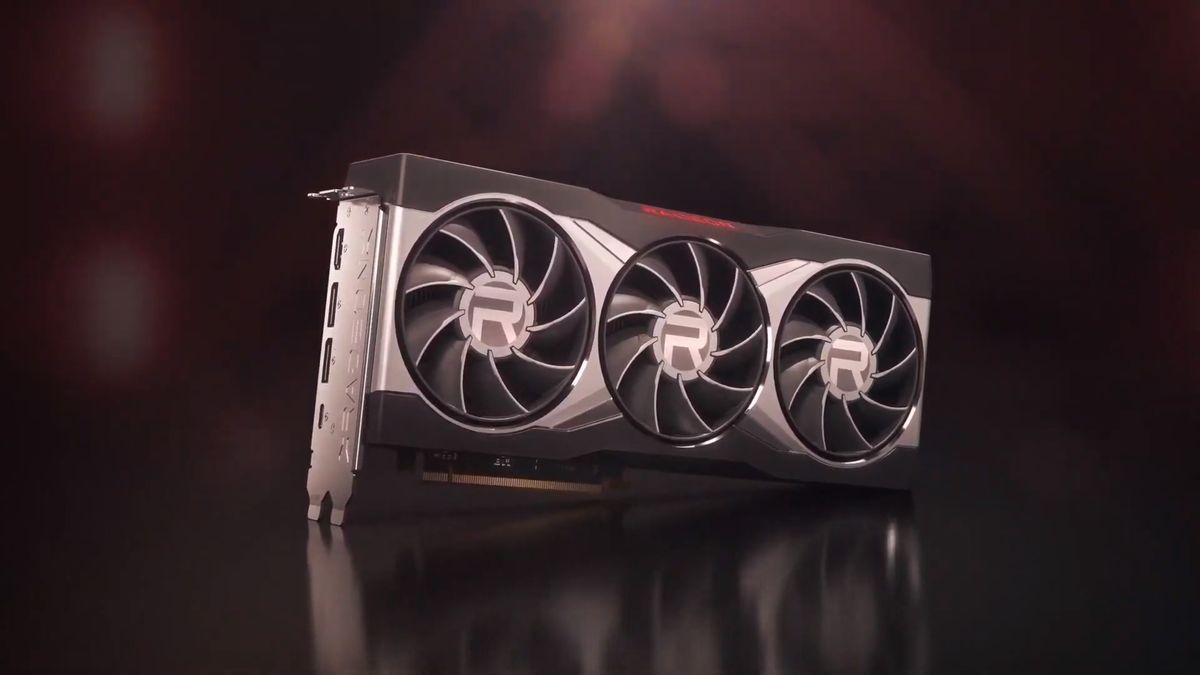
AMD sure seemed to take the fight right up to NVIDIA's alley with the launch of the new Radeon RX 6000 series GPUs. While AMD's performance numbers during the keynote were definitely welcomed, the company didn't fully address two pertinent features — ray tracing and super sampling.

There are still only a limited number of games that support ray tracing and/or NVIDIA's deep learning super sampling (DLSS). However, DLSS has been shown to be very useful in generating excellent image quality and high frame rates as is evident in games such as Death Stranding. While NVIDIA may still have the edge for now in implementing super sampling, AMD may not actually be that far behind.

Back during GDC 2019, Microsoft gave a glimpse of DirectML super-resolution functions by upscaling a 540p image to 1080p and a 1080p image to 4K. When tested on an NVIDIA GeForce RTX 2080 Ti, DirectML allowed for a low latency of 15 ms for a 540p to 1080p upscale with high frame rates up to 67 fps compared to the original TensorFlow model that had a 55 ms latency and ran at 18 fps. The Xbox Series X and Series S are also said to leverage DirectML super sampling.

AMD's implementation of super sampling is likely to be based on DirectML and will be part of FidelityFX. The Verge notes that AMD's offering will be open source and cross-platform. This means that the PlayStation 5 is also likely to get super sampling support at a later date. However, the possibility of the feature being available on Radeon RX 6000 series cards on launch day is highly unlikely. 

That being said, Alienware co-founder and now Chief Gaming Architect at AMD, Frank Azor, has confirmed that more information about ray tracing and super sampling will be available sometime before launch date. So even though the tech may not be fully ready for prime time, we might soon get to see some glimpses of how AMD plans to take it forward.

The Link Lonk


November 01, 2020 at 05:32AM
https://ift.tt/3mErtpz

AMD's Frank Azor confirms Radeon RX 6000's ray tracing and super sampling info will be available in the run up to launch - Notebookcheck.net

https://ift.tt/2ZDueh5
AMD

MediaTek is developing two 5nm chipsets with Cortex-A78 cores - Gizchina.com

proc.indah.link

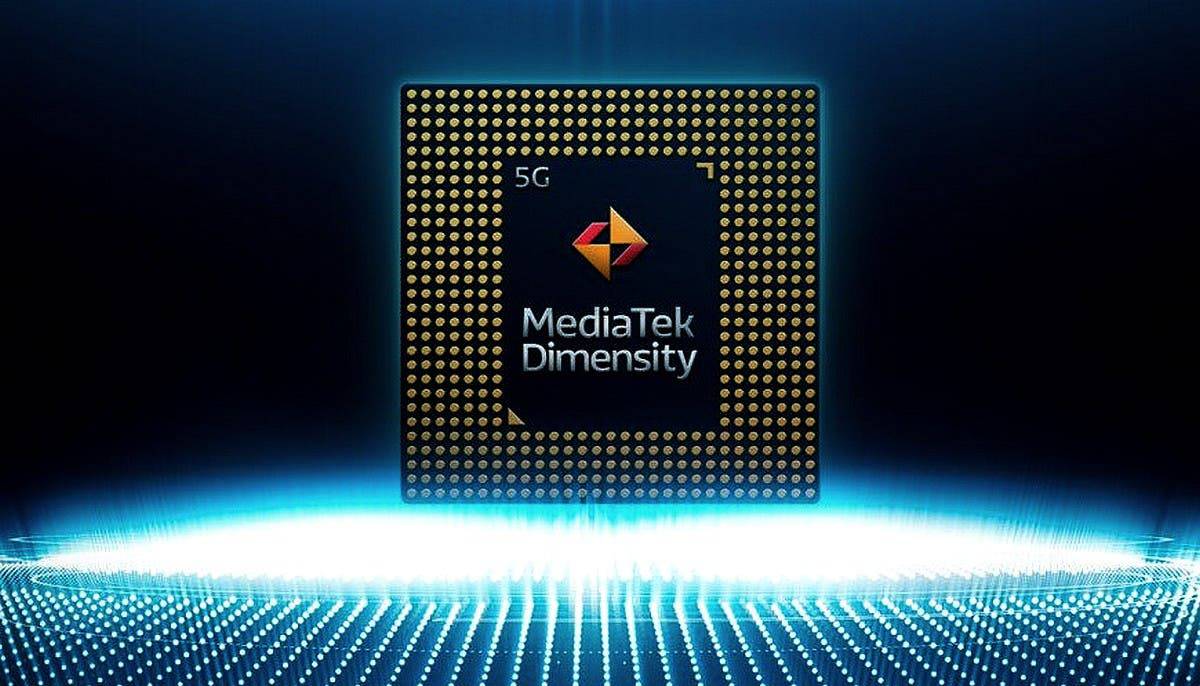
MediaTek passed the past years in a quite irrelevant position. The company couldn’t find a way to compete in the flagship segment, and its mid-range SoCs were far from being impressive. Everything started to change with the introduction of its Helio G90T gaming chipset in the last year. After the arrival of an excellent gaming SoC, OEMs started to look again at the Taiwanese chipmaker direction. This year, the company nailed it with the launch of its 5G-ready Dimensity lineup of chipsets. The company really developed excellent chipsets with cutting-edge technology, strong performance, power efficiency, and more importantly, phones with it were cheaper than ones sporting Qualcomm’s Snapdragon 765G. The Taiwanese chipmaker forced its US rival to quickly deploy more 5G chipsets for the mid-range segment. According to a recent report, MediaTek has more chipsets in tow.

According to the popular Chinese leakster, Digital Chat Station, the company is preparing two new chipsets for the market. The two new chipsets are known as MT6839 and MT6891. They’ll be based on the 5nm or 6nm nodes and will offer high-performance thanks to the presence of a more powerful ARM Cortex-A78 core. While the marketing names of these chipsets are unknown, we have more than enough reasons to believe that they will enter the very successful Dimensity lineup.

The two chipsets bring significant improvements over the MediaTek Dimensity 1000+

Interestingly enough, MediaTek’s most powerful chipset is the Dimensity 1000+. It comes with Cortex-A77 cores and it was developed on a 7nm process. Therefore, the new chips will bring significant boosts in performance and will also be more power-efficient than the company’s current offering. Of course, we expect the duo of chipsets to feature 5G modems. After all, there’s no reason to skip the fifth-gen network nowadays. The Dimensity lineup helped more people to get their hands on a 5G-ready smartphone. We believe that the company will keep this legacy in the next year.

MediaTek | LinkedIn

Unfortunately, there are no details regarding the availability of the new processors. However, Digital Chat Station says that the development is progressive at a faster pace than last year’s chips. So they’ll arrive much earlier than their predecessors. We expect to hear more details in the coming weeks. Moreover, we wouldn’t be surprised to see MediaTek announcing the new chipsets before the end of 2020. The Taiwanese chipmaker should ramp up its production due to increased demand. After all, Huawei will probably be a strong user of its chipsets in the next year.

The Link Lonk


November 01, 2020 at 05:07AM
https://ift.tt/3mDXVsj

MediaTek is developing two 5nm chipsets with Cortex-A78 cores - Gizchina.com

https://ift.tt/3e1uOdC
Mediatek

Moto G 5G is headed to Verizon with Snapdragon 750G, triple camera, more - PhoneArena

proc.indah.link
The Moto G 5G Plus is the most affordable 5G Motorola smartphone on the market right now, but leaked info has revealed that there will soon be an even cheaper model that ditches the ‘Plus’ branding.

A big battery to go with the big OLED screen


Codenamed ‘Kiev’ and set to be marketed as the ‘Motorola Moto G 5G’ across international markets, the smartphone in question boasts the new Qualcomm Snapdragon 750G chipset on the inside. The performance downgrade versus the Plus-branded model, which is powered by the Snapdragon 765, should be minimal. On a related note, the chipset is supported by 6GB of RAM and 128GB of expandable internal storage.

On the outside, the lack of Plus branding hasn’t translated into a smaller package. Motorola has fitted the Moto G 5G with a 6.66-inch OLED screen with support for a Full-HD+ resolution, HDR content, and a 60Hz refresh rate.

As per a leaked image, the switch to OLED also brings a centered punch hole rather than one positioned in the left or right corner. Bezels, on the other hand, are exactly what you’d expect – slim with a thicker chin.

Motorola has become known for its generous batteries in recent years and that trend continues with the Moto G 5G. Specifically, it has been fitted with a 5,000mAh cell that presumably supports some form of fast charging.

As for the software side of things, customers can expect Android 10 straight out of the box, although an update to Android 11 at some point next year is likely. Other features include NFC and a Google Assistant button on the international model.

The Moto G 5G has a telephoto camera on the back


Smartphone manufacturers love to fit their cheaper models with loads of cameras regardless of their usefulness, but Motorola’s setup includes at least two useful ones. The Moto G 5G boasts the same 48-megapixel main shooter as its pricier sibling.

There’s also an 8-megapixel telephoto camera, which is something you don’t often find outside of the flagship segment, and a 2-megapixel depth sensor for bokeh shots. The latter’s use is limited, but it allows Motorola to market this as a triple-camera setup.

On the selfie front, a 16-megapixel sensor has been selected.

Motorola Moto G 5G announcement, release date, carrier availability


The Motorola Moto G 5G Plus hit shelves in the United States under the Motorola One 5G branding. Motorola has plans to offer the standard Moto G 5G in the US too, although it’s unclear if there will be a name change.

One thing that does seem certain, however, is Motorola’s plans to offer the smartphone through Verizon. It’ll ditch the Google Assistant button and will probably be a UW variant that can tap into Verizon’s Ultra Wideband network.

There's no word yet on when Motorola will announce this product or whether other carriers will offer it, but an announcement at some point in November does seem to be on the cards. After all, it'd give both Motorola and its partnering carriers the opportunity to milk the holiday season for all its got.

Arriving alongside the Moto G 5G is likely to be the Moto G9 Power, although the latter isn't expected to be available in the United States and will instead be focused on Europe and other international markets. 

The Link Lonk


October 31, 2020 at 07:15PM
https://ift.tt/2HRBKj4

Moto G 5G is headed to Verizon with Snapdragon 750G, triple camera, more - PhoneArena

https://ift.tt/3gnoK0A
Snapdragon

AMD’s new Big Navi GPU benchmarks suggest Nvidia could be in more trouble than we thought - TechRadar

proc.indah.link

AMD has shared some fresh benchmarks for its incoming Big Navi graphics cards, and they’ll likely have Nvidia worrying even more about the RX 6000 series.

The new benchmarks shared on AMD’s website are drawn from 10 games, and show performance at both 4K and 1440p, with the full PC spec provided. The testbed rig was powered by a Ryzen 9 5900X processor (in an X570 motherboard) with 16GB of DDR4-3200 system RAM.

It should be noted that AMD Smart Access Memory was enabled, a technology which allows RX 6000 GPUs to work in tandem with Ryzen 5000 CPUs for a performance boost. So that’s a slight extra edge over Nvidia which those folks who haven’t upgraded to Ryzen 5000 won’t have.

The benchmarks themselves are seriously impressive for AMD, particularly at 1440p resolution, and of course 4K resolution remains a very niche proposition anyway (in fact, the vast majority still game at 1080p going by the Steam hardware survey).

At 1440p, the flagship Radeon RX 6900 XT beats out Nvidia’s RTX 3090 in every game, except for two: Wolfenstein Youngblood, where the 3090 is champ, and Doom Eternal which is pretty much a dead heat.

Interestingly, the 6800 XT even outguns the RTX 3090 in Borderlands 3 – and by some way – and the vanilla RX 6800 is a match for the RTX 3080 in this game at 1440p.

The 6800 XT also owns the 3090 at Gears 5. And in Battlefield V, both the 6800 XT and vanilla 6800 beat out the RTX 3090, with the same being true (to an even greater extent) in Forza Horizon 4.

Further note that the RX 6800 easily bested Nvidia’s RTX 2080 Ti across all the benchmarks (which AMD was using for testing in lieu of an RTX 3070, apparently, because performance levels are about on par, as we observed in our review).

Remember that the 6800 XT is pitched at $649, which is less than the RTX 3080 which costs $699 – and of course the RTX 3090 is a staggering $1,499, with the RX 6900 XT way undercutting that at $999.

4K battleground

As for the 4K benchmarks, the RX 6900 XT beat the RTX 3090 in five of the benchmarks, meaning that Nvidia won the other five – it was effectively a draw.

AMD’s RX 6800 XT, however, beat the RTX 3080 in six benchmarks, with the Nvidia graphics card only winning in three instances – Shadow of the Tomb Raider was a draw. Indeed, the RX 6800 XT edged out the 3090 in Borderlands 3, Gears 5 and Forza Horizon 4 at 4K.

So, worrying stuff for Nvidia? It would seem so, although we must bear in mind that these are internal AMD benchmarks, so a bit of cherry-picking could be going on (and as we’ve already mentioned, Smart Access Memory tech is also being used to give the RX 6000 cards an upper hand).

The other point of concern for Nvidia right now must be its failure to get anything like a sufficient number of RTX 3000 graphics cards out there, a situation which apparently won’t change until 2021.

AMD has already hinted that inventory levels of RX 6000 graphics cards will be better than Nvidia managed, but then again, we have recently heard rumblings on the grapevine that Big Navi could have its own stock issues.

Nvidia can also take comfort in the fact that AMD isn’t talking about ray tracing, although purportedly work is underway at AMD on a similar tech to Nvidia’s DLSS to help with frame rates when it comes to turning on all the ray-traced bells and whistles.

Via Tom’s Hardware

The Link Lonk


October 31, 2020 at 06:51PM
https://ift.tt/3kKs0Gf

AMD’s new Big Navi GPU benchmarks suggest Nvidia could be in more trouble than we thought - TechRadar

https://ift.tt/2ZDueh5
AMD

AMD's Smart Access Cache might not deliver massive performance gains, but Big Navi's raw raster performance could compensate - Notebookcheck.net

proc.indah.link

Please share our article, every link counts!

Arjun Krishna Lal, 2020-10-31 (Update: 2020-10-31)

Arjun Krishna Lal

I've had a passion for PC gaming since 1996, when I watched my dad score frags in Quake as a 1 year-old. I've gone on to become a Penguin-published author and tech journalist. When I'm not traveling the world, gathering stories for my next book, you can find me tinkering with my PC.

The Link Lonk


October 31, 2020 at 02:34PM
https://ift.tt/3oLvavu

AMD's Smart Access Cache might not deliver massive performance gains, but Big Navi's raw raster performance could compensate - Notebookcheck.net

https://ift.tt/2ZDueh5
AMD

AMD Ryzen 9 5950X 16 Core Zen 3 Desktop CPU Reviewed Too By SiSoftware – Up To 24% Faster Than Zen 2 Ryzen 9 3950X - Wccftech

proc.indah.link

The AMD Ryzen 9 5950X CPU which features the Zen 3 architecture and 16 cores has also been reviewed by SiSoftware. The application maker's have already given us a glimpse of the Ryzen 7 5800X and the Ryzen 5 5600X in their reviews posted yesterday and now they have posted the Ryzen 9 5950X review.

AMD Ryzen 9 5950X 16 Core Zen 3 Desktop CPU Reviewed, Up To 24% Faster Than Its Zen 2 Based Predecessor

According to SiSoftware themselves, both AMD Ryzen 5000 Desktop CPUs were tested on an X570 test bed with the latest BIOS installed from the specific manufacturer. The review highlights some of the key differences between Zen 3 and Zen 2 processors and evaluates the processors through their own test suite which is quite comprehensive.

AMD Radeon RX 6800 RDNA 2 Graphics Card Ray Tracing Performance Leaks Out, Almost As Fast As RTX 3070 With DLSS at 4K & WQHD

The tests include arithmetic, SIMD and also the cryptography performance. Before we get into the test results, let's take a look at the specs & how Zen 3 Ryzen 5000 Desktop CPUs compare to their predecessors in terms of features.

AMD Ryzen 9 5950X "Zen 3" Desktop CPU - 16 Cores / 32 Threads Up To 4.9 GHz For $799 US

AMD announced the Ryzen 9 series which is made up of the Ryzen 9 5950X. The Ryzen 9 5950X is the flagship 16 core part which is aimed at users demanding heavy multi-threading performance on AM4 sockets.

The chip has a total cache of 72 MB and a TDP of 105W. The chip features a boost clock of up to 4.9 GHz boost which when put together is just stunning for a 16 core part. The AMD Ryzen 9 5950X is going to cost $799 US and will be available on the 5th of November like the rest of the lineup.

AMD Ryzen 5000 Series "Vermeer" CPU Lineup

CPU Name Cores/Threads Base Clock Boost Clock Cache (L2+L3) PCIe Lanes (Gen 4 CPU+PCH) TDP Price
AMD Ryzen 9 5950X 16/32 3.4 GHz 4.9 GHz 72 MB TBA 105W $799 US
AMD Ryzen 9 5900X 12/24 3.7 GHz 4.8 GHz 70 MB TBA 105W $549 US
AMD Ryzen 7 5800X 8/16 3.8 GHz 4.7 GHz 36 MB TBA 105W $449 US
AMD Ryzen 5 5600X 6/12 3.7 GHz 4.6 GHz 35 MB TBA 65W $299 US
AMD Ryzen 5 5600 6/12 TBA TBA 32 MB TBA 65W $219 US?

Some of the main features that were highlighted by AMD for its Ryzen 5000 Zen 3 processors will include:

AMD Publishes More Radeon RX 6900 XT, RX 6800 XT & RX 6800 RDNA 2 Graphics Card Benchmarks in 4K & WQHD

  • Claim +19% IPC overall improvement vs. ZEN2
  • Higher base and turbo clocks ~5%
  • Still built around “chiplets” CCX (“core complexes”) but now of 8C/16T and 32MB L3 cache (still 7nm)
  • Same central I/O hub with memory controller(s) and PCIe 4.0 bridges connected through IF (“Infinity Fabric”) (12nm)
  • 2 chiplets on desktop platform thus up to 2x 8C (16C/32T 5950X)
  • L3 is the same 64MB on 5950X but 2x 32MB not 4x 16MB (not fully unified though unlike 8-core and less versions)
  • 20 PCIe 4.0 lanes
  • 2x DDR4 memory controllers up to 3200Mt/s official (4266Mt/s max)

Micro-architecturally there are more changes that should improve performance and security:

  • Control Flow Integrity eXtensions (CFX) & Shadow Stacks (SSX)
  • Multi-Key Memory Encryption, e.g. individually encrypted VM memory
  • Inter-core latencies reduced through shared L3 (8C and less); no more trips to memory to share data
  • AMD processors have thankfully not been affected by most of the vulnerabilities bar two (BTI/”Spectre”, SSB/”Spectre v4″) that have now been addressed in hardware.

AMD Ryzen 9 5950X 16 Core Desktop CPU Benchmarks

Coming to the test results, SiSoftware measured up to 24% performance uplift for the AMD Ryzen 9 5950X over its predecessor, the Ryzen 9 3950X and gave it a score of 10/10. SiSoftware terms AMDs Ryzen 9 5950X as the pinnacle of compute performance on the desktop and says that even with its AVX-512 support, Intel simply cannot beat AMD's Ryzen 5000 desktop processors. It is also stated that the Ryzen 9 5950X is such a high-end CPU that the DDR4 (dual-channel) interface just doesn't cuts out for it and is definitely in need of a higher channel interface or DDR5 support which will be offering higher bandwidth to feed the insane amount of cores this mainstream CPU has to offer.

AMD Ryzen 9 5950X 16 Core "Zen 3" Desktop CPU Test Results:

SiSoftware Review Conclusion: Unlike the 8-core and less Zen3 designs with unified L3 cache, the 12/16C Zen3 (e.g. 59XX range) still has separate L3 caches but now one for 8-cores not 4. Thus we thought it will improve a bit over Zen2 (16C) but not buy much. But it still manages to be a whopping 24% faster across all benchmarks.

This is the pinnacle of compute performance on the desktop – all still on the old AM4 socket (with a BIOS update) – without spending serious money on work-station/HEDT kit. Not that the 5950X (like the 3950X before it) is “cheap” but considering what HEDT platform costs (e.g. ThreadRipper, Intel’s 2011 socket, etc.) it is good value. The 5950X is so powerful that even AVX512 Intel high-end CPUs cannot beat it – and even old ThreadRippers (e.g. 1950X, 2990X) are beaten in compute tasks.

DDR5 cannot come soon enough – but that will require a new platform (AM5 socket). Such high-end CPU should also be ideally paired with a good mainboard (e.g. X570) with PCIe4 as here it is likely to make a difference – again feeding all those cores.

If you have the money and the need for top-end compute performance and somehow cannot afford HEDT platform then this is the best you can get by a long shot. Best in class.

via SiSoftware

The AMD Ryzen 9 5950X will be making its formal debut in the retail segment on 5th of November for a price of $799 US. For the Ryzen 9 5950X, the16 core is phenomenal in performance and it is recommended to pre-order and purchase one as soon as possible since the site claims that there will be reduced stock at launch and due to increased demand from OEMs, the prices for the chips are likely to increase soon after launch on 5th of December.

Which AMD Ryzen 5000 Desktop CPU are you most excited about?
The Link Lonk


October 31, 2020 at 05:10PM
https://ift.tt/2HUUXjS

AMD Ryzen 9 5950X 16 Core Zen 3 Desktop CPU Reviewed Too By SiSoftware – Up To 24% Faster Than Zen 2 Ryzen 9 3950X - Wccftech

https://ift.tt/2ZDueh5
AMD

Intel's Discrete GPU Era Begins: Intel Launches Iris Xe MAX For Entry-Level Laptops - AnandTech

proc.indah.link

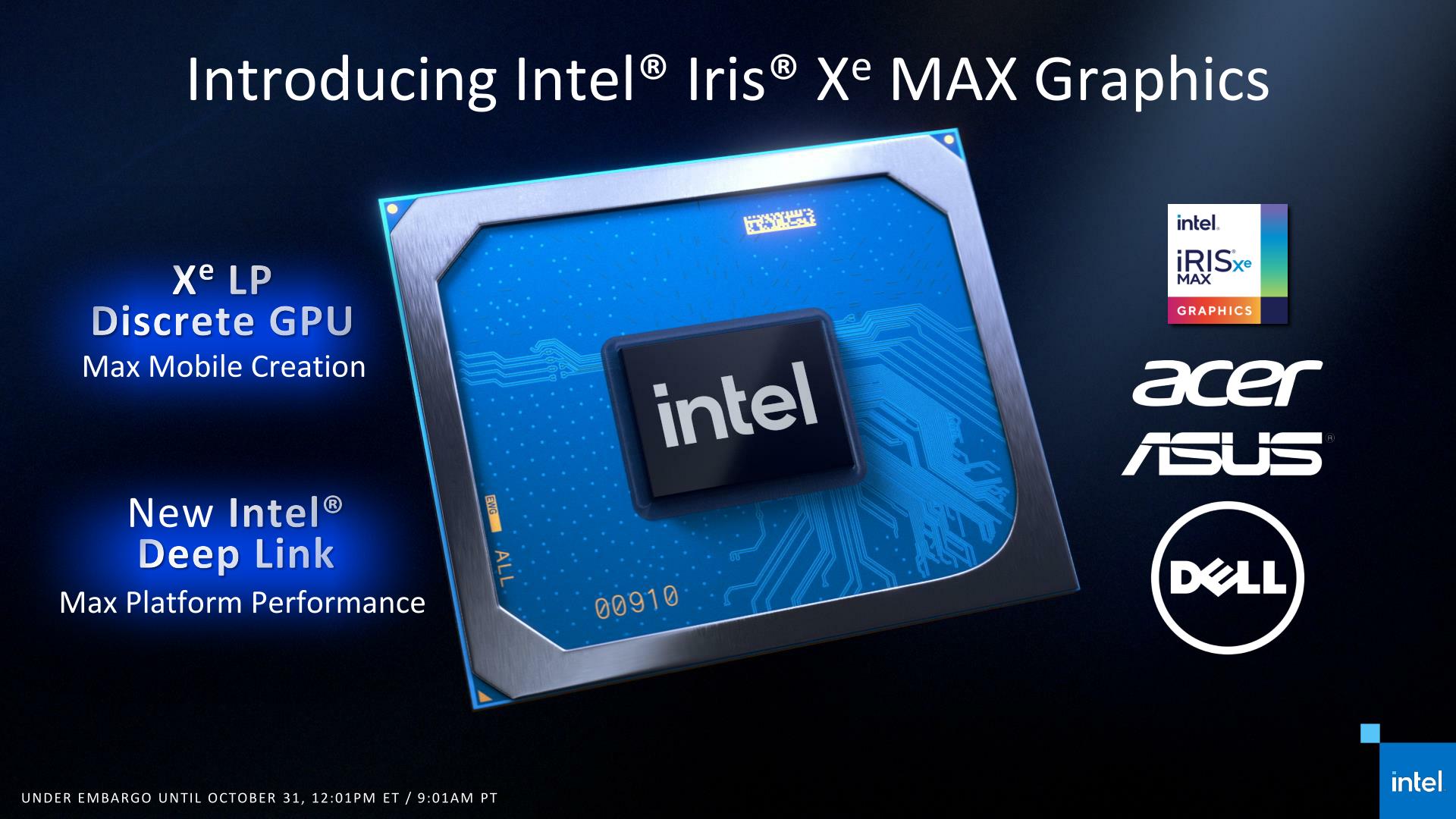
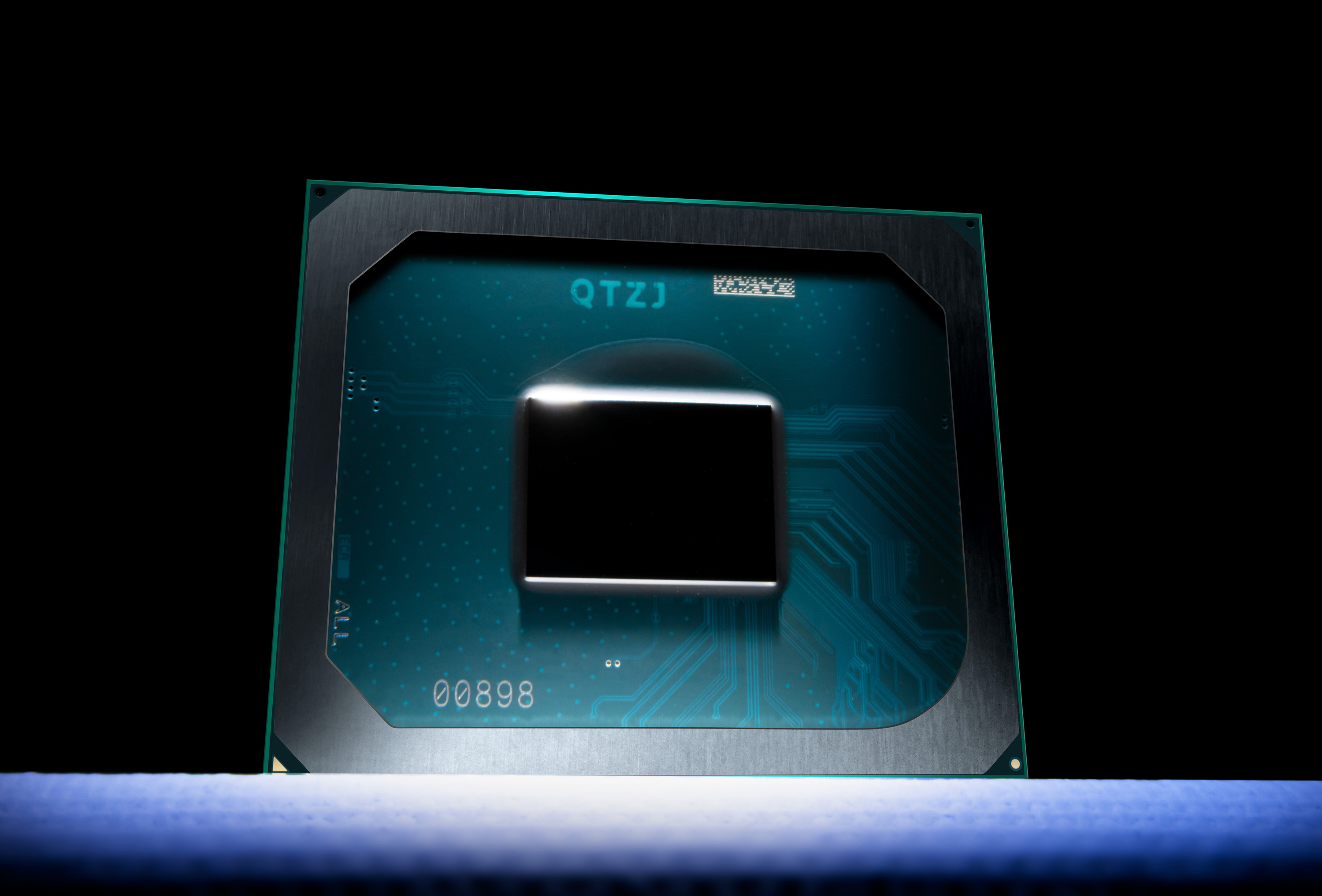
Today may be Halloween, but what Intel is up to is no trick. Almost a year after showing off their alpha silicon, Intel’s first discrete GPU in over two decades has been released and is now shipping in OEM laptops. The first of several planned products using the DG1 GPU, Intel’s initial outing in their new era of discrete graphics is in the laptop space, where today they are launching their Iris Xe MAX graphics solution. Designed to complement Intel’s Xe-LP integrated graphics in their new Tiger Lake CPUs, Xe MAX will be showing up in thin-and-light laptops as an upgraded graphics option, and with a focus on mobile creation.

We’ve been talking about DG1 off and on since CES 2020, where Intel first showed off the chip in laptops and in a stand-alone development card. The company has continuously been coy about the product, but at a high level it’s been clear for some time that this was going to be an entry-level graphics solution suitable for use in smaller laptops. Based heavily on the integrated graphics in Intel’s Tiger Lake-U CPU, the Xe-LP architecture GPU is a decidedly entry-level affair. None the less, it’s an important milestone for Intel; by launching their first DG1-based product, Intel has completed first step in their plans to establish themselves as a major competitor in the discrete GPU space.

Sizing up Intel’s first dGPU in a generation, Intel has certainly made some interesting choices with the chip and what markets to pursue. As previously mentioned, the chip is based heavily on Tiger Lake-U’s iGPU – so much so that it has virtually the same hardware, from EUs to media encoder blocks. As a result, Xe MAX isn’t so much a bigger Xe-LP graphics solution so much as it is an additional discrete version of the Tiger Lake iGPU. Which in turn has significant ramifications in the performance expectations for the chip, and how Intel is going about positioning it.
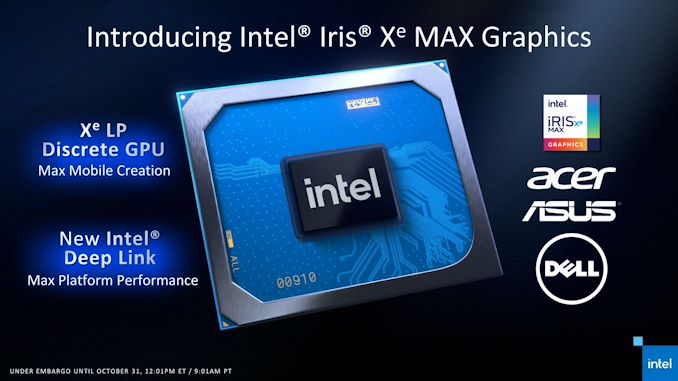
To cut right to the chase for our more technical readers, Intel has not developed any kind of multi-GPU technology (ala NVIDIA’s SLI or AMD’s CrossFire) that allows for multiple GPUs to be used together for a single graphics task. So there is no way to combine a Tiger Lake-U iGPU with Xe MAX and double your DOTA framerate, for example. Functionally, Xe MAX is closer to a graphics co-processor – literally a second GPU in the system.

As a result, Intel isn’t seriously positioning Xe MAX as a gaming solution – in fact I’m a little hesitant to even attach the word “graphics” to Xe MAX, since Intel’s ideal use cases don’t involve traditional rendering tasks. Instead, intel is primarily pitching Xe MAX as an upgrade option for mobile content creation; an additional processor to help with video encoding and other tasks that leverage GPU-accelerated computing. This would be things like Handbrake, Topaz’s Gigapixel AI image upsampling software, and other such productivity/creation tasks. This is a very different tack than I suspect a lot of people were envisioning, but as we’ll see, it’s the route that makes the most sense for Intel given what Xe MAX can (and can’t) do.

At any rate, as an entry-level solution Xe MAX is being setup to compete with NVIDIA’s last-generation entry-level solution, the MX350. Competing with the MX350 is a decidedly unglamorous task for Intel’s first discrete graphics accelerator, but it’s an accurate reflection of Xe MAX’s performance capabilities as an entry-level part, as well as a ripe target since MX350 is based on last-generation NVIDIA technology. NVIDIA shouldn’t feel too threatened since they also have the more powerful MX450, but Xe MAX has a chance to at least dent NVIDIA’s near-absolute mobile marketshare by going after the very bottom of it. And, looking at the bigger picture here for Intel’s dGPU efforts, Intel needs to walk before they can run.

Finally, as mentioned previously, today is Xe MAX’s official launch. Intel has partnered with Acer, ASUS, and Dell for the first three laptops, most of which were revealed early by their respective manufacturers. These laptops will go on sale this month, and the fact that today’s launch was timed to align with midnight on November 1st in China offers a big hint of what to expect. Intel’s partners will be offering Xe MAX laptops in China and North America, but given China’s traditional status as the larger, more important market for entry-level hardware, don’t be too surprised if that’s where most Xe MAX laptops end up selling, and where Intel puts its significant marketing muscle.

Intel GPU Specification Comparison
  Iris Xe MAX
dGPU
Tiger Lake iGPU Ice Lake
iGPU
Kaby Lake iGPU
ALUs 768
(96 EUs)
768
(96 EUs)
512
(64 EUs)
192
(24 EUs)
Texture Units 48 48 32 12
ROPs 24 24 16 8
Peak Clock 1650MHz 1350MHz 1100MHz 1150MHz
Throughput (FP32) 2.46 TFLOPs 2.1 TFLOPs 1.13 TFLOPs 0.44 TFLOPs
Geometry Rate
(Prim/Clock)
2 2 1 1
Memory Clock LPDDR4X-4266 LPDDR4X-4266 LPDDR4X-3733 DDR4-2133
Memory Bus Width 128-bit 128-bit
(IMC)
128-bit
(IMC)
128-bit
(IMC)
VRAM 4GB Shared Shared Shared
TDP ~25W Shared Shared Shared
Manufacturing Process Intel 10nm SuperFin Intel 10nm SuperFin Intel 10nm Intel 14nm+
Architecture Xe-LP Xe-LP Gen11 Gen9.5
GPU DG1 Tiger Lake
Integrated
Ice Lake Integrated Kaby Lake Integrated
Launch Date 10/2020 09/2020 09/2019 01//2017

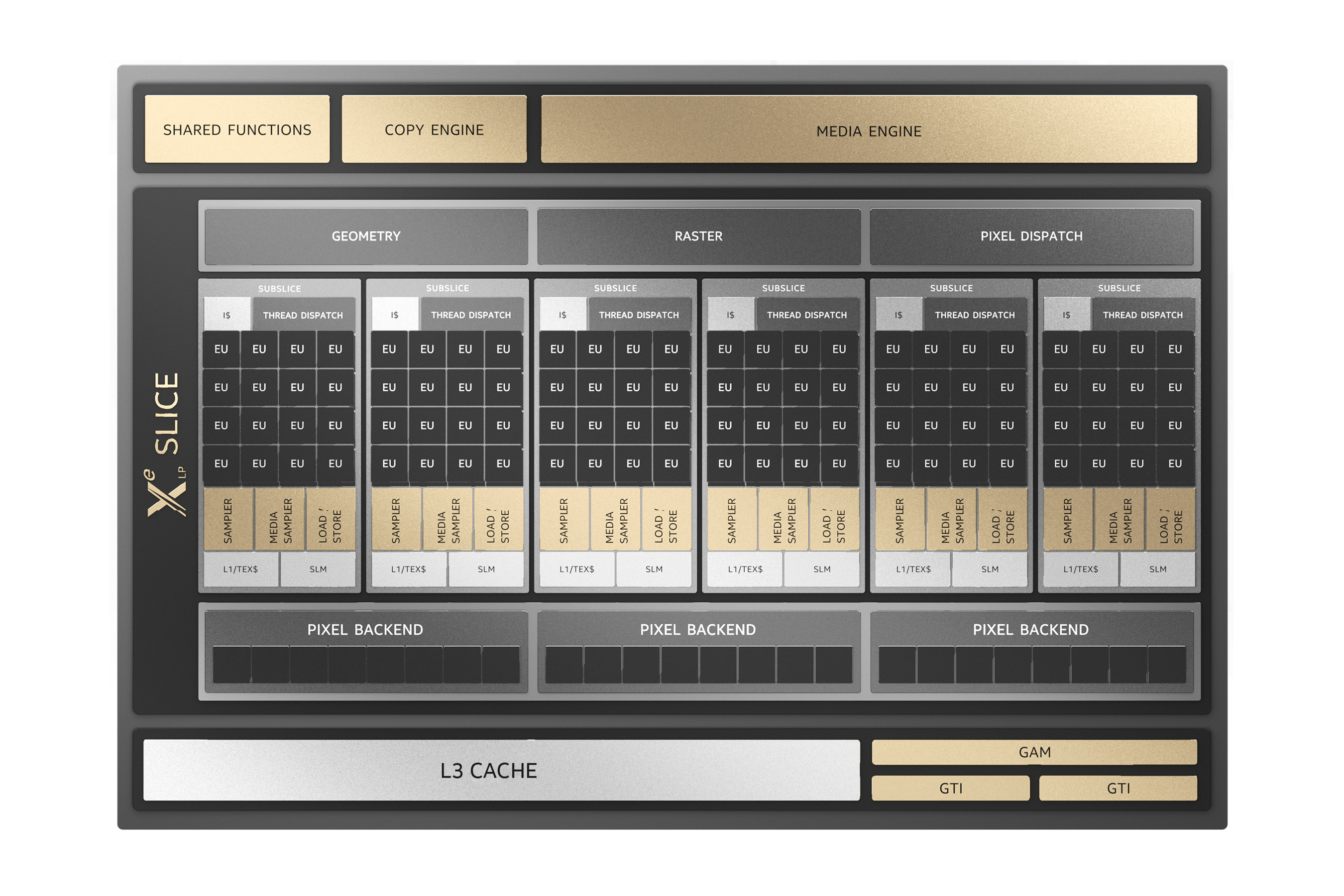
Kicking off the deep dive portion of today’s launch, let’s take a look at the specs for the Xe MAX. As previously mentioned, Xe MAX is derived from Tiger Lake’s iGPU, and this is especially when looking at the GPUs side-by-side. Xe-LP as an architecture was designed to scale up to 96 EUs; Intel put 96 EUs in Tiger Lake, and so a full DG1 GPU (and thus Xe MAX) gets 96 EUs as well.

In fact Xe MAX is pretty much Tiger Lake’s iGPU in almost every way. On top of the identical graphics/compute hardware, the underlying DG1 GPU contains the same two Xe-LP media encode blocks, the same 128-bit memory controller, and the same display controller. In fact Intel didn’t even bother to take out the video decode blocks, so DG1/Xe MAX can do H.264/H.265/AV1 decoding, which admittedly is handy for doing on-chip video transcoding.
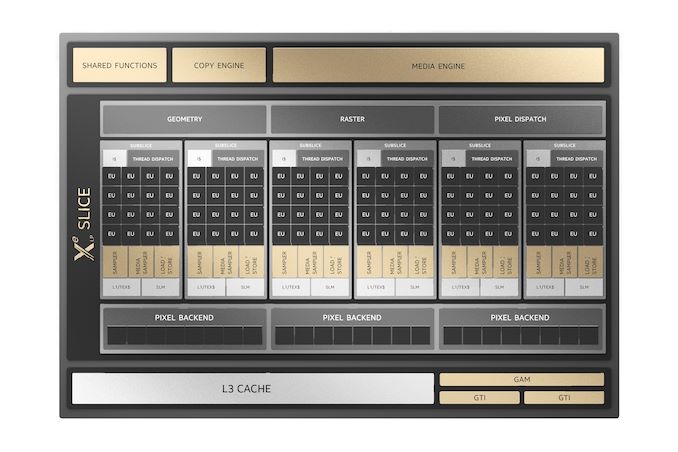
And, to be sure, Intel has confirmed that DG1 is a real, custom-designed GPU. So Xe MAX is not based on salvaged Tiger Lake CPUs or the like; Intel is minting discrete GPUs just for the task. As is usually the case, Intel is not disclosing die sizes or transistor counts for DG1. Our own best guess for the die size is an incredibly rough 72mm2, and this is based on looking at how much of Tiger Lake-U’s 144mm2 die is estimated to occupied by GPU blocks. In reality, this is probably an underestimate, but even so, it’s clear that DG1 is a rather petite GPU, thanks in part to the fact that it’s made on Intel’s 10nm SuperFin process.
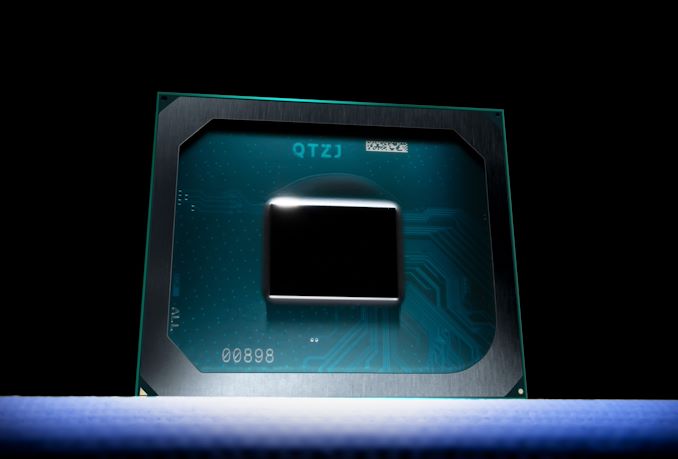
Overall, given the hardware similarities, the big performance advantage that Xe MAX has over Tiger Lake’s iGPU is that the discrete adapter gets a higher clockspeed. Xe MAX can boost to 1.65GHz, whereas the fastest Tiger Lake-U SKUs can only turbo to 1.35GHz. That means all things held equal, the discrete adapter has a 22% compute and rasterization throughput advantage on paper. But since we’re talking about laptops, TDPs and heat management are going to play a huge role in how things actually work.

Meanwhile the fact that Xe MAX gets Tiger Lake’s memory controller makes for an interesting first for a discrete GPU: this is the first stand-alone GPU with LPDDR4X support. Intel’s partners will be hooking up 4GB of LPDDR4X-4266 to the GPU, which with its 128-bit memory bus will give it a total memory bandwidth of 68GB/sec. Traditionally, entry-level mobile dGPUs use regular DDR or GDDR memory, with the latter offering a lot of bandwidth even on narrow memory buses, but neither being very energy efficient. So it will be interesting to see how Xe MAX’s total memory power consumption compares to the likes of the GDDR5/64-bit MX450.
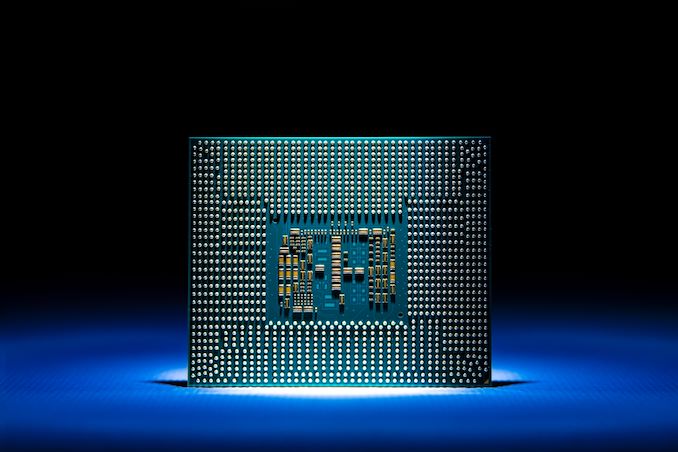
As an added bonus on the memory front, because this is a discrete GPU, Xe MAX doesn’t have to share its memory bandwidth with other devices. The GPU gets all 68GB/sec to itself, which should improve real-world performance.

And since Xe MAX is a discrete adapter, it also gets its own power budget. The part is nominally 25W, but like TDPs for Intel’s Tiger Lake CPUs, it’s something of an arbitrary value; in reality the chip has as much power and thermal headroom to play with as the OEMs grant it. So an especially thin-and-light device may not have the cooling capacity to support a sustained 25W, and other devices may exceed that during turbo time. Overall we’re not expecting any more clarity here than Intel and its OEMs have offered with Tiger Lake TDPs.

Last but not least, let’s talk about I/O. As an entry-level discrete GPU, Xe MAX connects to its host processor over the PCIe bus; Intel isn’t using any kind of proprietary solution here. The GPU’s PCIe controller is fairly narrow with just a x4 connection, but it supports PCIe 4.0, so on the whole it should have more than enough PCIe bandwidth for its performance level.

Meanwhile the part offers a full display controller block as well, meaning it can drive 4 displays over HDMI 2.0b and DisplayPort 1.4a at up to 8K resolutions. That said, based on Intel’s descriptions it sounds like most (if not all) laptops are going to be taking an Optimus route, and using Tiger Lake’s iGPU to handle driving any displays. So I’m not expecting to see any laptops where Xe MAX’s display outputs are directly wired up.

The Link Lonk


November 01, 2020 at 12:01AM
https://ift.tt/37XSVup

Intel's Discrete GPU Era Begins: Intel Launches Iris Xe MAX For Entry-Level Laptops - AnandTech

https://ift.tt/2YXg8Ic
Intel
Featured Post

Intel Falls on Latest Server Chip Delay; Rival AMD Gains - Yahoo Finance

proc.indah.link (Bloomberg) -- Intel Corp. fell after saying a new version of its Xeon server chip line will go into production in 2022, r...

Popular Posts